On a GLP-1 This Thanksgiving? How to Enjoy the Meal Without Feeling Miserable


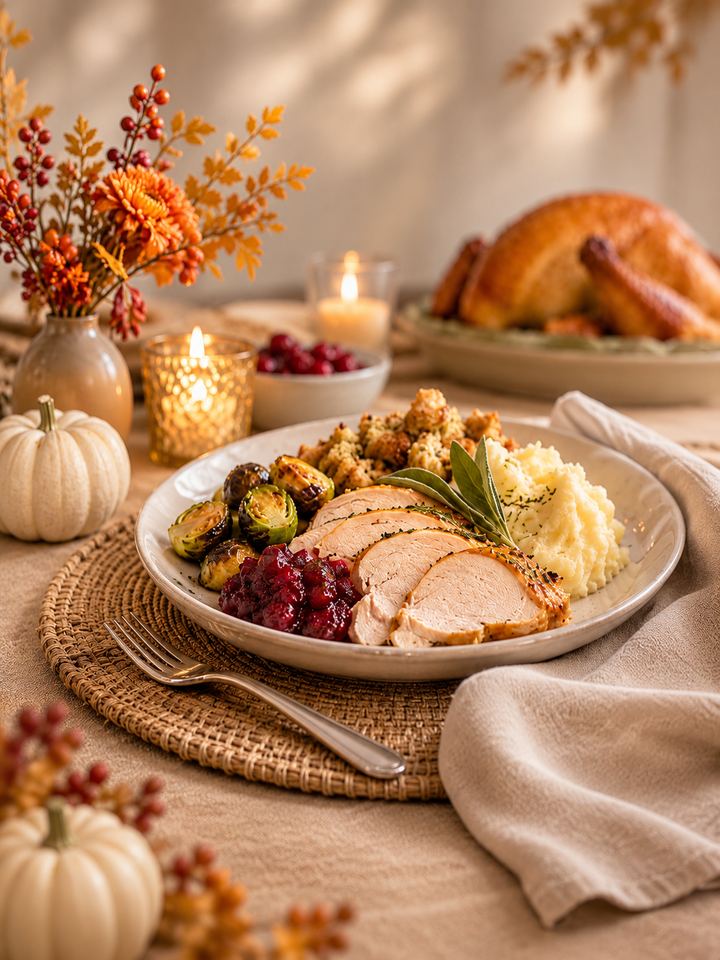
Thanksgiving is one of those holidays where everything seems to revolve around food.
The turkey. The mashed potatoes. Grandma's stuffing. That one dessert someone makes every year that you've been thinking about since October.
And let's be honest—Thanksgiving isn't just about eating. It's about family, traditions, memories, and sitting around a table with people you love.
But if you're taking a GLP-1 medication for weight management, you might be wondering whether Thanksgiving dinner is going to look a little different this year.
Can you still eat your favorite foods while taking a GLP-1?
What happens if you eat too much on semaglutide or tirzepatide?
And how do you enjoy Thanksgiving dinner without ending up nauseated, bloated, or miserable afterward?
These are exactly the kinds of questions we want our patients to feel comfortable asking.
The good news is that taking a GLP-1 doesn't mean you have to skip Thanksgiving dinner, avoid your favorite holiday dishes, or sit at the table feeling like you're missing out.
You absolutely can enjoy the holiday.
You may just need to approach the meal a little differently than you have in the past.
At Leawood Total Wellness, we believe successful weight management should fit into your life—not require you to stop enjoying it.
So let's talk about how to navigate Thanksgiving while taking a GLP-1 medication, what to expect from your appetite, and a few simple ways to enjoy the day without feeling uncomfortable afterward.
Why Does Thanksgiving Dinner Feel Different When You're Taking a GLP-1?
If you've been taking a GLP-1 medication for a while, you've probably already noticed that the way you experience hunger and fullness has changed.
Maybe you're satisfied with smaller meals.
Maybe you don't feel as hungry between meals.
Or perhaps you've discovered that foods you used to eat without thinking twice now leave you feeling unusually full.
There's a reason for that.
GLP-1 medications such as semaglutide and tirzepatide affect appetite and slow how quickly food leaves your stomach.
This slower stomach emptying is part of why you may feel full sooner and stay full longer after eating.
And for many patients, that can be helpful when working toward their weight-management goals.
But Thanksgiving creates an interesting situation.
Most holiday meals aren't exactly small.
There's usually a lot of food, multiple side dishes, rich sauces, desserts, and the expectation that you'll go back for seconds.
If you eat the same amount you used to eat before starting your medication, you may discover that your stomach doesn't feel quite the same afterward.
What Happens if You Eat Too Much on a GLP-1?
Imagine sitting down to Thanksgiving dinner and filling your plate with all your usual favorites.
You start with turkey, then move on to stuffing, mashed potatoes, sweet potatoes, rolls, and a little bit of everything else.
It tastes wonderful.
But halfway through the meal, you notice you're already feeling full.
You decide to keep eating anyway because, well, it's Thanksgiving.
That's when things can become uncomfortable.
Because GLP-1 medications slow stomach emptying, a large meal can remain in your stomach longer than you're accustomed to.
Patients may experience symptoms such as:
- Nausea after eating
- Uncomfortable fullness or bloating
- Acid reflux or heartburn
- Burping, including unpleasant sulfur burps
- A heavy feeling in the stomach
- Vomiting in some cases
Not everyone experiences these symptoms, and not every holiday meal will cause problems.
But if you've already noticed that large meals don't agree with you while taking your medication, Thanksgiving probably isn't the best day to test your limits.
Our goal isn't to help you eat as little as possible. It's to help you enjoy the food you love without feeling miserable later.
And sometimes, a few small adjustments make a big difference.
Can You Still Eat a Traditional Thanksgiving Dinner on a GLP-1?
Yes.
For many patients, there's no reason they can't enjoy a traditional Thanksgiving meal while taking a GLP-1 medication.
You don't necessarily have to avoid turkey, stuffing, mashed potatoes, or dessert.
You simply want to be more mindful of how much you're eating, how quickly you're eating, and how your body is responding.
One of the biggest changes we encourage patients to make is shifting away from the idea that Thanksgiving dinner has to mean eating until you're completely stuffed.
You can enjoy a food without eating a large portion of it.
You can have a few bites of something you love without needing to finish an entire serving.
And you can leave the table satisfied without feeling like you missed the celebration.
The key is learning to recognize the earlier fullness signals you may experience while taking a GLP-1.
Here are seven practical strategies we recommend discussing with patients who want to enjoy their holiday meal more comfortably.
7 Ways to Enjoy Thanksgiving Dinner While Taking a GLP-1
1. Don't Skip Breakfast Just to Save Room for Thanksgiving Dinner
This is one of the most common things people do before a big holiday meal.
They know they're going to eat Thanksgiving dinner later, so they decide to skip breakfast.
Sometimes they even skip lunch.
The thought process makes sense: If I'm going to have a big dinner, maybe I should save all my food for that one meal.
But arriving at the table extremely hungry can make it harder to slow down and pay attention to when you're full.
And if you're taking a medication that affects stomach emptying, eating a large amount all at once may leave you feeling particularly uncomfortable.
Instead of trying to save up your appetite for Thanksgiving, consider having a small, protein-forward breakfast.
That might help you arrive at dinner feeling ready to eat, but not so hungry that you rush through the meal.
You don't have to earn Thanksgiving dinner by skipping the meals that come before it.
The goal is to keep your day balanced and comfortable.
2. Start Your Thanksgiving Plate With Protein
If you're wondering what to eat first at Thanksgiving while taking a GLP-1, we often encourage patients to begin with protein.
And Thanksgiving makes that pretty easy.
Turkey is already the centerpiece of most traditional Thanksgiving meals.
Protein is especially important during weight loss because it helps support muscle maintenance.
It's also part of a satisfying meal.
So before filling your plate with every side dish on the table, consider starting with some turkey.
Take a few bites, enjoy it, and then move on to the other foods you love.
This doesn't mean your entire Thanksgiving meal has to consist of turkey.
It simply means making protein part of your plan instead of treating it as an afterthought.
And for patients who notice they become full very quickly on their medication, that can be a useful consideration.
3. Use a Smaller Plate and Enjoy Tasting Portions of Your Favorite Foods
Let's talk about Grandma's stuffing.
Because if it's something you look forward to every Thanksgiving, we're certainly not going to tell you that you can't have it.
But there's a difference between enjoying a favorite dish and feeling obligated to eat a large serving of everything available.
One strategy is to use a smaller plate and serve yourself tasting portions.
Instead of taking a full scoop of six different side dishes, choose smaller amounts of the foods you're most excited about.
Maybe that's stuffing and mashed potatoes.
Maybe it's sweet potato casserole.
Maybe you're really just there for the turkey and pumpkin pie.
Whatever your favorites are, give yourself permission to enjoy them.
You don't need a mountain of food on your plate to have a wonderful Thanksgiving dinner.
And if you're taking a GLP-1, smaller portions may make it easier to stop before you become uncomfortably full.
4. Slow Down and Pay Attention to When You're Getting Full
This may be one of the most important Thanksgiving tips for people taking GLP-1 medications.
Eat slowly.
It sounds simple, but think about how quickly holiday meals sometimes happen.
You've been cooking all morning.
Everyone finally sits down.
The food is delicious.
And before you realize it, you've eaten much more than you intended.
When you're taking a GLP-1, it's especially helpful to notice when your stomach is beginning to feel satisfied.
Try putting your fork down between bites.
Talk with the people sitting around you.
Enjoy the conversation.
And partway through your meal, check in with yourself.
Ask:
Am I still hungry?
Am I enjoying this because it tastes good, or am I continuing because there's food on my plate?
Am I starting to feel full?
There's no need to make Thanksgiving dinner a complicated exercise in monitoring every bite.
But taking your time can help you notice how you're feeling before you've eaten beyond your comfort level.
5. Stop When You're Satisfied, Not When You're Stuffed
This is something we talk about often in weight management.
Many of us grew up with the idea that a meal isn't finished until our plate is empty.
And Thanksgiving practically celebrates the feeling of being stuffed.
But on a GLP-1, that approach can become uncomfortable very quickly.
Because food moves through your stomach more slowly, continuing to eat after you're satisfied may increase your chances of nausea, bloating, or reflux.
One of the most useful things you can practice is recognizing the difference between feeling satisfied and feeling overly full.
Satisfied means you've enjoyed your meal and feel comfortable. Stuffed means you've pushed beyond that point.
Your Thanksgiving goal doesn't have to be eating the smallest amount possible.
It can simply be leaving the table feeling good.
And remember, you're allowed to stop eating even when there's still food left on your plate.
You can always save it for later.
6. Be Mindful of Rich, Creamy, and High-Fat Foods
Thanksgiving foods are delicious partly because they're different from what we eat every day.
Rich gravy.
Buttery mashed potatoes.
Creamy casseroles.
Desserts that only appear once or twice a year.
And there's nothing wrong with enjoying those traditions.
But patients taking GLP-1 medications may notice that very fatty, fried, or rich foods are more likely to cause digestive discomfort.
When stomach emptying is already slowed, a large meal containing several heavy dishes may leave you feeling especially full.
This doesn't mean you need to avoid every rich food on the table.
Instead, consider choosing smaller servings of the dishes you really enjoy.
And if dessert is part of your Thanksgiving tradition, you don't necessarily need to eat it immediately after finishing dinner.
You might feel more comfortable waiting an hour or two.
That way, you're giving yourself time to recognize how full you are before adding more food.
Sometimes the difference between enjoying dessert and regretting it is simply giving yourself a little breathing room.
7. Be Thoughtful About Alcohol
Alcohol is another consideration during Thanksgiving, especially if you're taking a GLP-1 medication.
For some people, alcoholic drinks are part of a holiday gathering.
But alcohol may worsen symptoms such as nausea or reflux.
It can also make it easier to eat past the point of comfort.
If you choose to drink, it's worth discussing alcohol use with your healthcare provider, particularly if you have medication side effects or other health considerations.
For patients who can safely drink alcohol, Khyati's general holiday guidance emphasizes moderation, having alcohol with food, and alternating alcoholic drinks with water.
You don't need alcohol to enjoy Thanksgiving, and choosing not to drink is always an option.
The goal is to make decisions that help you feel well throughout the holiday—not just while you're sitting at the table.
What Else Can Help Prevent GLP-1 Nausea and Bloating on Thanksgiving?
The way you build your plate matters, but there are a few other simple habits that may make Thanksgiving more comfortable.
Drink Water Throughout the Day
It's easy to forget about hydration when you're busy cooking, hosting, traveling, or spending time with family.
And some people taking GLP-1 medications find that they're not drinking as much as they used to.
But dehydration can make symptoms such as nausea and constipation more difficult.
Instead of waiting until you feel extremely thirsty, try to drink water regularly throughout the day.
You don't need to make it complicated.
Just remember that hydration still matters even when your appetite is lower.
Take a Gentle Walk After Thanksgiving Dinner
One tradition we love is going for a walk after a holiday meal.
It doesn't have to be a workout.
It doesn't have to involve tracking calories or trying to burn off dinner.
It can simply be a comfortable 10- to 15-minute walk outside with family or friends.
Gentle movement after eating may support digestion and blood sugar management.
And after spending hours cooking, sitting, and visiting, it can feel nice to get outside.
The purpose of the walk is to feel good—not to make up for what you ate.
Don't Lie Down Immediately After Eating
If you've experienced reflux or heartburn while taking a GLP-1 medication, this tip is especially relevant.
Lying down immediately after a large meal may make reflux more uncomfortable.
Instead, consider staying upright for a couple of hours after eating.
That could mean continuing the family conversation, playing a game, helping clean up, or taking that walk we just mentioned.
Save Leftovers for Another Day
Here's one of our favorite Thanksgiving reminders:
You don't have to eat everything on Thanksgiving Day.
If you're feeling full but still want to enjoy another favorite dish, save some for later.
Pack leftovers into smaller portions.
That way, you can enjoy Thanksgiving foods again without trying to fit every single dish into one meal.
And let's be honest—sometimes Thanksgiving leftovers taste even better the next day.
Should You Skip Your GLP-1 Injection Before Thanksgiving?
This is a question we want to answer very clearly.
Do not skip, delay, double, or change your GLP-1 medication dose on your own simply because Thanksgiving is coming.
We understand why people ask.
Maybe your injection day falls right before Thanksgiving.
Maybe you've experienced nausea after a previous injection.
Or perhaps you're worried your medication will make it difficult to enjoy the holiday meal.
Those are all reasonable things to discuss with your provider.
But changing your medication schedule is a medical decision.
It shouldn't be something you decide based on a holiday, a social media post, or advice from someone else's experience.
Your medication plan was developed around your individual needs.
If you're worried about side effects or the timing of your injection, contact your prescribing provider before the holiday.
At Leawood Total Wellness, we'd much rather have that conversation ahead of time than have you make changes without guidance.
Why Do I Feel Sick After Eating on Semaglutide or Tirzepatide?
If you've ever eaten a large meal while taking a GLP-1 medication and then felt unusually uncomfortable, you aren't the only person who's experienced that.
GLP-1 medications affect stomach emptying and appetite.
That means a large or especially rich meal may be more difficult to tolerate than it was before treatment.
Some patients describe feeling:
- Full after only part of a meal
- Bloated long after eating
- Nauseated after rich foods
- Uncomfortable when lying down
- As though the meal is still sitting heavily in their stomach
Understanding that possibility can help you make more comfortable choices at Thanksgiving.
But we also want to be careful about assuming every digestive symptom is simply a normal medication effect.
Some symptoms deserve prompt medical attention.
When Should You Call Your GLP-1 Provider?
Mild fullness or occasional bloating after eating can occur while taking a GLP-1 medication.
However, there are symptoms you should not ignore.
Contact your healthcare provider promptly or seek urgent medical care if you experience:
Persistent vomiting: Especially if you're unable to keep fluids down.
Severe abdominal pain: Particularly pain that spreads toward your back.
Signs of dehydration: Such as dizziness, very dark urine, or not urinating normally.
These symptoms may require medical evaluation.
We don't want patients trying to push through serious symptoms simply because they think discomfort is an expected part of taking a GLP-1.
Your provider should know when you're having concerning side effects.
And if something feels severe or unusual, seek appropriate medical attention rather than waiting for a routine appointment.
What if You're New to GLP-1 Medication This Thanksgiving?
If you've recently started a GLP-1 medication, Thanksgiving may be one of your first experiences navigating a larger holiday meal while on treatment.
You may still be learning how your appetite has changed.
You may not yet know which foods tend to make you uncomfortable.
And you may be figuring out how to recognize fullness earlier than you used to.
That's okay.
Weight management isn't about being perfect at every meal.
It's about learning how your body responds and building habits that support your long-term goals.
If you're new to treatment, the same basic principles apply:
Eat at a comfortable pace.
Include protein.
Pay attention to fullness.
Avoid pushing yourself to finish large portions.
Stay hydrated.
And ask your provider questions when something doesn't feel right.
You don't have to figure everything out on your own.
Can You Enjoy Thanksgiving Without Feeling Guilty About Food?
Absolutely.
And we think this part of the conversation is just as important as discussing portions or digestive symptoms.
Thanksgiving should not become a day of worrying about every bite.
You don't need to label foods as good or bad.
You don't need to feel guilty about eating stuffing.
And you don't need to approach the holiday as some kind of test of whether you're doing weight management correctly.
The purpose of GLP-1 treatment isn't to make you afraid of food.
It's to support an individualized approach to managing your health and weight.
For some patients, treatment changes the constant pressure they previously felt around eating.
They may find it easier to recognize when they're satisfied.
They may feel less driven to continue eating beyond that point.
And they may find that they can focus more on the people and experiences around them.
That can be a meaningful change.
But medication is still only one part of the bigger picture.
Learning how to navigate everyday meals, holidays, celebrations, and family traditions is part of building an approach you can maintain.
We want our patients to have a life they enjoy while working toward their health goals.
Not a life organized around avoiding every food they love.
Your Thanksgiving Plate Doesn't Have to Be Perfect
If there's one thing we'd love for you to remember this Thanksgiving, it's this:
You can enjoy the meal without making yourself miserable.
You can have turkey.
You can have stuffing.
You can enjoy mashed potatoes.
You can even have dessert if that's something you're looking forward to.
The difference may simply be eating a smaller amount, slowing down, and paying attention to how your body feels.
And if this Thanksgiving looks a little different from previous years, that's okay, too.
Maybe you're satisfied with less.
Maybe you discover you don't want a second helping.
Maybe you decide to save pie for later.
None of those things means you're missing out.
The holiday is about much more than how much food you eat.
It's about gratitude, connection, traditions, and the people sitting around the table with you.
And we want you to enjoy all of it.
Personalized GLP-1 Weight Management in Leawood and Overland Park, Kansas
At Leawood Total Wellness, we know that weight management involves more than prescribing a medication and sending someone on their way.
It's about understanding how treatment fits into your everyday life.
That includes ordinary meals, busy schedules, family gatherings, travel, and yes—even Thanksgiving dinner.
Led by Khyati Kapur, PA-C, our clinic takes a personalized approach to wellness and weight-management care for patients in Leawood, Overland Park, Johnson County, and the greater Kansas City area.
Whether you're already taking a GLP-1 medication or have questions about medical weight management, we believe you deserve guidance that's thoughtful, realistic, and built around your individual needs.
Have questions about your GLP-1 medication before Thanksgiving?
Call or text Leawood Total Wellness at 913-227-9150, or book a consultation online.
We're here to help you approach the holiday feeling informed, comfortable, and confident.
Medical Disclaimer: This article is for general educational and informational purposes only and is not intended to replace individualized medical advice, diagnosis, or treatment. GLP-1 medications have potential risks, benefits, side effects, and contraindications. Individual responses vary. Do not start, stop, skip, or adjust prescribed medication without consulting your healthcare provider. Seek prompt medical attention for severe or concerning symptoms.
Frequently Asked Questions About GLP-1 Medications and Thanksgiving
1. Can I eat a normal Thanksgiving dinner while taking a GLP-1?
For many patients, yes. You can still enjoy traditional Thanksgiving foods while taking a GLP-1 medication. The biggest difference may be how much food feels comfortable. Smaller portions, eating slowly, including protein, and stopping when you feel satisfied can help reduce the likelihood of uncomfortable fullness, nausea, or bloating.
2. Why do I feel sick after eating a big meal on semaglutide or tirzepatide?
These medications slow stomach emptying, which can make large or rich meals feel heavier and more uncomfortable. Eating beyond your usual fullness point may contribute to nausea, bloating, reflux, burping, or vomiting. Persistent or severe symptoms should be evaluated by a healthcare professional.
3. Should I skip my GLP-1 shot before Thanksgiving?
No medication changes should be made on your own. If your injection day falls near Thanksgiving and you're worried about side effects, talk with your prescribing provider about your individual treatment plan before changing your schedule.
4. Can I eat turkey, mashed potatoes, stuffing, and pie on a GLP-1?
You don't necessarily need to avoid your favorite Thanksgiving dishes. Consider including protein, choosing smaller portions of rich side dishes, and eating slowly. If you're full after dinner, you may feel more comfortable saving dessert for later.
5. Can I drink alcohol while taking a GLP-1 medication?
Alcohol may worsen nausea or reflux and may affect food choices. Whether drinking is appropriate depends on your medication, medical history, and other health considerations. Discuss alcohol use with your healthcare provider, and if drinking is appropriate for you, practice moderation and stay hydrated.
6. Why do I get full so quickly while taking a GLP-1?
GLP-1 medications affect appetite and slow how quickly food moves out of your stomach. This can make smaller meals feel more satisfying and may help explain why you notice fullness earlier than you used to.
7. What should I do if I eat too much on Thanksgiving while taking a GLP-1?
If you experience mild fullness or bloating, pay attention to your symptoms, avoid continuing to eat past comfort, and follow your usual treatment guidance. Do not change your medication dose to compensate. If you experience severe abdominal pain, persistent vomiting, or signs of dehydration, seek medical attention.
8. How can I avoid overeating on Thanksgiving while taking a GLP-1?
Try not to arrive extremely hungry, begin with protein, serve smaller portions of your favorite dishes, slow down, and check in with your fullness signals throughout the meal. The goal isn't restriction—it's eating in a way that feels satisfying and comfortable.
9. Is it okay to eat dessert while taking a GLP-1?
For many patients, enjoying a small portion of dessert can still be part of a holiday meal. Because rich or high-fat foods may worsen digestive discomfort, consider your portion size and whether you're already feeling full. Waiting until later may be more comfortable than eating dessert immediately after a large dinner.
10. Where can I get personalized GLP-1 weight-management guidance near Kansas City?
Leawood Total Wellness provides personalized weight-management care with Khyati Kapur, PA-C, serving Leawood, Overland Park, Johnson County, and the greater Kansas City area. Contact the clinic at 913-227-9150 to discuss your treatment questions or schedule a consultation.